
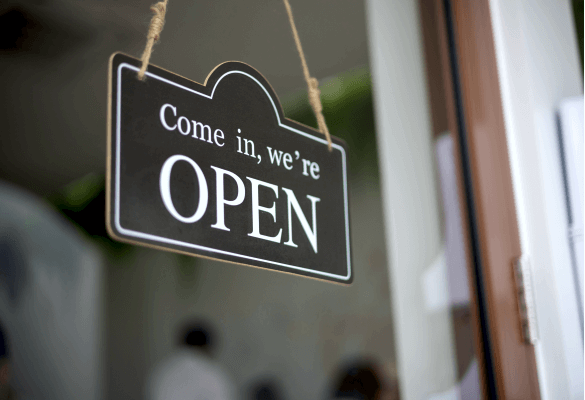
Rocky Point, also called Puerto Peñasco, has changed a lot over the years. What was once a quiet fishing town is now a lively beach destination where visitors from Arizona, California, and beyond come to relax. In a busy place like this, a business needs a clear way to stand out. That’s where signs come in. A good sign does more than show a name—it introduces a business to people passing by and makes a first impression before anyone even walks in the door.
In Rocky Point, signs work all day and all night. Think about the main roads—Benito Juárez, the Old Port, and the Sandy Beach corridor—where cars, bikes, and people are always moving. A strong, easy-to-read sign catches the eye quickly. Research backs this up: a national survey found that about 76% of people have entered a store they’d never visited before because its sign grabbed their attention, and 68% said a sign has led them to make a purchase. In other words, signs don’t just decorate a building—they help customers find you and feel confident choosing you. (federalheath.com)
Location matters, too. Rocky Point is popular with road-trippers because it’s close to Arizona. The drive from Phoenix to Puerto Peñasco is roughly 213 miles and takes about 3 hours and 40 minutes without long stops. That’s close enough for weekend visitors, which means lots of fresh eyes on local storefronts every week. When the Lukeville–Sonoyta border crossing temporarily closed in December 2023, businesses felt the difference. When it reopened on January 4, 2024, the flow of visitors returned along the most direct route to the Sea of Cortez beaches—reminding everyone how many travelers discover Rocky Point by car. (Travelmath)
Because so many people are driving, signs must be readable at a distance and at speed. Sign experts explain that drivers only have a few seconds to spot, read, and react to a message. That means letter height, contrast (light words on a dark background or vice versa), brightness at night, and the angle of the sign toward the road all affect whether someone can read it in time to turn safely. Industry guidelines even provide “legibility” tables that link letter size to viewing distance so businesses can choose designs people can actually read from the road. (International Sign Association)
Rocky Point’s weather also shapes how signs should be built. The city sits on the Sea of Cortez and in the Sonoran Desert, so summers are hot and sunny, and salt air is common near the water. Those conditions can fade colors and wear down weak materials. That’s why well-made signs here focus on durable finishes, rust-resistant hardware, and UV-stable graphics to keep colors bright. Local knowledge helps, too: people who install signs here every week learn which materials last and which mounting methods hold up best when the wind picks up along open corridors. Knowing the rules matters as well, because cities use sign codes to keep roads safe and views clear. A team that understands how Rocky Point’s streets, weather, and regulations work can guide a business from idea to installation the right way. (Wikipedia)
Different types of signs serve different goals, and each one can be effective when it’s planned for the location. A ground-level entrance sign can make a hotel or community feel welcoming and easy to find. A taller roadside sign helps drivers spot a gas station or restaurant in time to change lanes. Well-placed building letters identify a storefront clearly from the sidewalk and parking lot. Digital displays and billboards provide moving messages or bright visuals in high-traffic areas, which can be useful for short-term deals or events. Even vehicles and windows can become moving or street-level ads that work wherever they go. The important part is choosing the right tool for the job and making sure the message is simple and readable—fast.
Simplicity is powerful. People don’t remember crowded designs filled with small text. They remember clear names, strong logos, and a few important words. Experts who study sign readability for drivers say that viewers often glance at a sign only once or twice as they pass. That means you have just a moment to communicate who you are and what you offer. Clear type, good contrast, and the right size help make that moment count. A bright sign that is too small or placed at the wrong angle still fails; a mid-sized sign with the right letters, contrast, and angle can succeed because it respects how people actually see on the road. (United States Sign Council Foundation)
Good signs also build trust. In that same national survey, most people said the quality of a business’s sign made them think about the quality of the products or services inside. If the sign looks cheap or has spelling mistakes, many people feel less confident walking in. If the sign looks professional, they expect professional care. That’s why a sign is not just a cost—it’s an investment. Once installed, a sign works every hour of every day, unlike online ads that stop when the budget runs out. Over time, a reliable, good-looking sign helps a business get recognized by locals and visitors, which can lead to steady customers and stronger word of mouth. (FedEx Newsroom)
In a beach town, signs also help with direction and safety. Tourists often don’t know the streets, and speeds can change quickly as people move from highways to local roads. Clear wayfinding (like arrows, entrance markers, or parking signs) reduces confusion and helps drivers make safe choices sooner. When people feel less stressed finding you, they arrive in a better mood—and that improves the chance they’ll shop, book a room, or stay for a meal. Expert guidelines on letter size and viewing distance can help a business avoid common mistakes like tiny fonts that only look good up close but fail from the street. (United States Sign Council Foundation)
Rocky Point’s growth has come with new neighborhoods, hotels, restaurants, and services. With more choices, customers rely on quick signals to decide where to stop. A sign provides that signal. It tells your story in a second: who you are, what you offer, and how to find you. For example, a clear hotel monument sign at an entrance makes tired drivers feel confident they’ve reached the right place. A bright, readable menu board at a café window helps people decide quickly. A smartly designed digital screen near a busy road can announce a weekend special right when visitors are arriving in town.
For businesses here, the path to a great sign starts with three simple steps: choose a message you can read in two seconds, pick letter sizes and colors that match real viewing distances, and build for local weather so the sign looks good year after year. Teams who know Rocky Point’s roads and rules can handle the rest—design, permits, installation, and maintenance—so the sign keeps working without headaches. When you follow best practices, you’re not just buying a sign; you’re giving your business a 24/7 spokesperson.
Finally, remember why signs matter so much in a place like this. Visitors often make decisions while they’re driving—where to eat, which market to try, and which resort entrance to turn into. Rocky Point’s close drive from Arizona brings steady traffic most weekends, so every hour your sign is clear and visible is another chance to welcome someone new. A well-made sign, planned for real-world conditions, turns those chances into customers. That’s how signs shape success—by guiding people safely, helping them choose confidently, and inviting them back again. (Travelmath)
For more information or service inquiries visit us at our Visions Media website.